

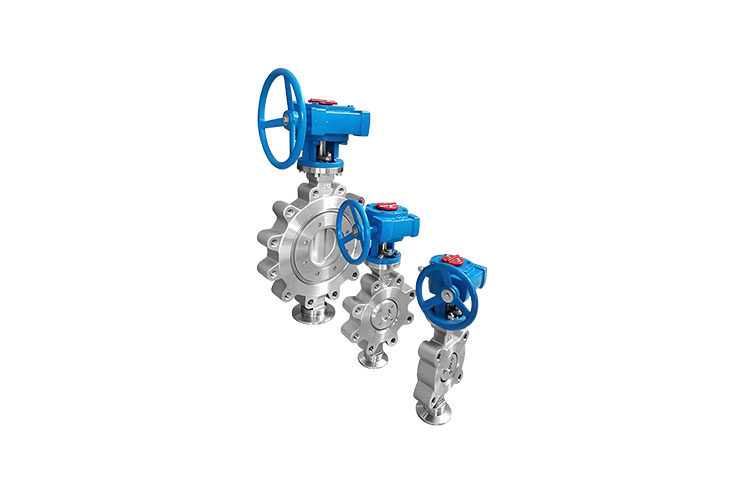
Triple offset valve torque reduction is one of the most important performance advantages in advanced quarter-turn valve design. In industrial fluid control systems, operators and engineers often face the challenge of reducing operating torque while maintaining tight shutoff, long service life, and reliable sealing under demanding conditions. A triple offset valve addresses these requirements through a unique geometry that minimizes friction during opening and closing, improves seal engagement, and reduces wear across the entire service life of the valve.
This article explains triple offset valve torque reduction in clear, SEO-friendly English. It covers the definition, working principle, torque characteristics, design benefits, technical features, comparison with other valve types, and practical specification guidance. The content is written for direct use in blogs, category pages, industrial product pages, and technical resource pages. It contains general industry information only, without company recommendations.
A triple offset valve is a high-performance butterfly valve designed with three separate offsets in its geometry. These offsets are engineered to reduce friction between the disc and seat, improve sealing performance, and allow low-torque operation even in high-pressure, high-temperature, and critical service applications.
The term “triple offset” refers to three distinct geometric displacements:
These offsets work together to create a non-rubbing, low-friction motion during operation. Unlike conventional valves that rely on sliding contact, a triple offset valve achieves sealing through precise angular engagement. This structure is a key reason why triple offset valve torque reduction is considered a major engineering advantage.
Torque is the rotational force required to operate a valve. In industrial systems, high torque can create several problems:
When torque is reduced, the valve becomes easier to open and close. This leads to smaller actuators, improved control performance, and lower total operating costs. Torque reduction is especially important in systems using electric actuators, pneumatic actuators, or manual gear operators.
In triple offset valves, torque reduction is not only a mechanical benefit but also a design strategy that improves safety and efficiency. Lower torque means reduced friction, less seat damage, and more stable sealing behavior over time.
The torque reduction mechanism in a triple offset valve comes from its unique offset geometry and sealing path. As the disc rotates, it does not scrape along the seat. Instead, it moves in a controlled cam-like motion that minimizes contact until the final closing stage.
This means the valve can remain nearly frictionless during most of its travel. Only at the last moment does the disc engage the seat, producing a tight seal with minimal wear. Because the seal is formed by angular compression rather than continuous rubbing, the required operating torque is significantly lower than many traditional valve designs.
The result is:
This is why triple offset valve torque reduction is highly valued in applications where frequent cycling or tight shutoff is required.
Triple offset valve design delivers several important advantages beyond low torque. These benefits make the valve suitable for demanding industrial applications.
The triple offset geometry ensures that the disc and seat do not rub against each other during most of the rotation. This reduces friction, lowers torque demand, and helps maintain stable performance over time.
Because the sealing surfaces experience less wear, triple offset valves can achieve longer service life compared with designs that rely on sliding contact. Reduced wear also means fewer maintenance interventions and fewer replacement parts.
Even though torque is reduced, sealing performance remains strong. The conical seat design allows the valve to create a secure, bubble-tight or near bubble-tight seal depending on the design standard and service conditions.
Triple offset valves are often selected for severe service conditions where traditional soft-seated valves may fail. Their metallic seating structure and low-torque sealing action make them suitable for many challenging processes.
Because operating torque is lower, actuator sizing becomes more efficient. In many cases, a smaller actuator can be used, which reduces installation space, capital cost, and energy demand.
Low torque and predictable torque curves are highly beneficial for automated systems. Triple offset valves work well with electric, pneumatic, and hydraulic actuators in on/off and modulating service.
The torque curve of a triple offset valve is different from that of conventional valves. Torque is typically lowest in the mid-travel position and higher during breakaway and final seating. However, the overall torque profile remains efficient due to the absence of continuous seat rubbing.
A simplified torque curve explanation is shown below:
| Valve Position | Torque Behavior | Explanation |
|---|---|---|
| Fully Open | Low | Disc is clear of seat contact, so resistance is minimal |
| Mid-Travel | Very Low | Non-contact rotation keeps friction low |
| Approaching Close | Rising | Disc begins to engage the conical seat |
| Final Seating | Peak Torque | Compression seal is formed with controlled force |
| Opening Breakaway | Initial Peak | Seat compression must be overcome at start of motion |
Understanding this torque profile is critical when selecting an actuator. The final seating torque and initial breakaway torque are often the most important values in sizing and automation design.
To understand the value of triple offset valve torque reduction, it helps to compare it with other common valve types.
| Valve Type | Torque Requirement | Sealing Method | Wear Characteristics | Typical Use |
|---|---|---|---|---|
| Conventional Butterfly Valve | Moderate | Soft seat with rubbing contact | Higher seat wear | General utility service |
| Ball Valve | Low to Moderate | Quarter-turn spherical closure | Low to moderate wear | On/off isolation |
| Gate Valve | High | Linear stem movement | Moderate wear | Isolation service |
| Globe Valve | High | Linear throttling action | Moderate to high wear | Flow control |
| Triple Offset Valve | Low to Moderate | Angular metal sealing with minimal friction | Low seat wear | Severe service, high-performance isolation |
Compared with standard butterfly valves, triple offset valves offer much better sealing durability and often lower long-term torque demand. Compared with gate and globe valves, they usually require less space and provide faster operation. This combination of compact design and reduced torque is a major reason for their growing use in industrial systems.
Several design features contribute to triple offset valve torque reduction:
The shaft is offset from both the seat centerline and the pipe centerline. This arrangement reduces the angle of contact during rotation and eliminates continuous seat scraping.
The sealing interface is designed with a cone angle that enables a cam effect. As the disc closes, it compresses into the seat rather than sliding across it.
Many triple offset valves use metallic sealing surfaces, which are suitable for high-temperature service and can tolerate repeated cycling with reduced deformation.
Tight manufacturing tolerances are essential for stable torque performance. Accurate machining ensures that the disc engages the seat smoothly and consistently.
The final seal occurs only at the end of travel, limiting friction during the rest of the operating cycle. This is one of the clearest reasons torque is reduced in the triple offset design.
Triple offset valves are used across many industries where reliable shutoff, low operating torque, and high durability are essential.
In these environments, low torque is especially valuable because valves may be automated, remotely operated, or required to function under harsh process conditions. Triple offset valve torque reduction improves responsiveness and reduces the stress placed on actuators and support equipment.
Although triple offset valves are known for reduced torque, the actual torque requirement can vary depending on several factors.
Higher pressure differences across the valve generally increase operating torque, especially during opening and closing.
Thermal expansion can affect seat compression and material behavior. High-temperature service may change torque values over time.
Different seat materials create different friction and sealing characteristics. Metal seats often perform well in severe service, while composite materials may offer different torque profiles.
Larger valves typically require more torque because of the increased sealing area and flow forces acting on the disc.
Corrosive, viscous, abrasive, or dirty fluids can affect torque by changing surface resistance and sealing conditions.
Pipe alignment, mounting position, and actuator setup can influence operating efficiency and total torque demand.
Frequent cycling can change wear patterns over time. Even though triple offset valves reduce wear, long-term torque stability still depends on service conditions.
The following table provides a general specification overview for triple offset valves. Actual values depend on design standards, materials, pressure class, and manufacturer-specific engineering.
| Specification Item | Typical Range / Option | Notes |
|---|---|---|
| Valve Type | Triple offset butterfly valve | Quarter-turn design for isolation and tight shutoff |
| Size Range | Commonly from small to very large diameters | Used in both compact and large pipeline systems |
| Pressure Class | Varies by design and standard | Suitable for medium to high pressure applications |
| Temperature Range | Wide range depending on seat and body materials | Often selected for elevated temperature service |
| Body Material | Carbon steel, stainless steel, alloy steel, and other industrial metals | Chosen based on process media and corrosion resistance |
| Disc Material | Stainless steel, alloy steel, or specialized metallurgical options | Designed for strength and sealing durability |
| Seat Type | Metal seat or engineered sealing surface | Important for torque and shutoff performance |
| Operation | Manual, gear-operated, pneumatic, electric, or hydraulic | Actuator selection depends on torque requirement |
| Leakage Class | Application-dependent | Higher sealing class usually requires precise seating design |
| Service | Isolation, emergency shutoff, process control, severe service | Frequently used where low torque and high reliability are essential |
Material selection has a direct impact on triple offset valve torque reduction. The body, disc, seat, stem, and sealing components must all be selected to balance strength, corrosion resistance, and friction control.
For example, stainless steel may be chosen for corrosion resistance in chemical service, while alloy steel may be selected for high-temperature strength in power or steam applications. Seat materials may be engineered to provide controlled compression and consistent sealing with minimal torque growth over time.
Good material selection helps reduce:
In practice, the best torque performance comes from matching the valve materials to the process conditions rather than selecting components based only on initial cost.
One of the biggest practical benefits of triple offset valve torque reduction is actuator optimization. Since torque demand is lower and more predictable, engineers can often choose a more compact actuator than would be required for higher-friction valve designs.
Actuator sizing typically considers:
Because triple offset valves reduce friction and avoid sliding seal wear, the actuator does not need to overcome the same resistance found in conventional designs. This can lead to smaller mounting dimensions, simplified installation, and lower total system cost.
From a practical perspective, triple offset valve torque reduction delivers several measurable business and operational benefits:
These benefits are especially important in facilities where valve failure can lead to production loss, safety risk, or expensive shutdowns.
There are several common misunderstandings about triple offset valve torque reduction.
This is not true. In triple offset valves, reduced torque is achieved through geometry and friction control, not by compromising the seal. In fact, the final seating action is often more precise than in conventional designs.
Torque varies based on size, material, pressure class, temperature, and process media. The design principle is similar, but actual torque values depend on application details.
While they are common in severe service, triple offset valves are also used wherever low-torque, high-reliability shutoff is desired.
Even with reduced torque, proper actuator sizing is still required. Pressure, temperature, and safety factors must always be considered.
When evaluating a triple offset valve for torque reduction and performance, it is useful to review the following checklist:
| Selection Item | Questions to Consider |
|---|---|
| Process Fluid | Is the media clean, corrosive, abrasive, hot, or viscous? |
| Pressure Rating | What pressure class is required for safe operation? |
| Temperature Range | Will the valve operate under elevated or fluctuating temperatures? |
| Leakage Requirement | Is tight shutoff mandatory for the application? |
| Actuation Method | Will the valve be manual or automated? |
| Cycle Frequency | Will the valve operate often or only occasionally? |
| Installation Space | Is compact design important? |
| Maintenance Strategy | Is long service life and low maintenance a priority? |
For content planning and search optimization, the following related keywords and phrases are commonly associated with this topic:
Using these phrases naturally throughout a page can help reinforce topical relevance for search engines while still keeping the writing readable and useful for human visitors.
The three-offset geometry reduces friction between the disc and seat, allowing the valve to rotate with minimal resistance during most of the operating cycle.
Yes. Lower torque makes actuator sizing easier and improves performance in automated on/off or control applications.
No. Properly designed triple offset valves can deliver excellent shutoff performance while maintaining low operating torque.
Yes. Their metal seat construction and low-friction sealing path make them a common choice for elevated temperature applications.
They offer strong sealing, reduced wear, and lower torque demand, which are all valuable in demanding industrial environments.
Triple offset valve torque reduction is a core advantage that sets this valve type apart from many traditional industrial valves. By using a carefully engineered triple-offset geometry, the valve minimizes friction, reduces seat wear, and achieves tight shutoff with lower operating torque. These characteristics make it an excellent choice for high-performance, severe service, and automation-focused applications.
For industries that require reliable isolation, efficient actuation, and long service life, the triple offset valve offers a strong balance of performance and durability. Understanding the principles behind triple offset valve torque reduction helps engineers, buyers, and technical teams choose the right valve solution for demanding process environments.
Whether used in oil and gas, power generation, water treatment, steam service, or process industries, the triple offset valve remains a leading option for users who value low torque, high sealing integrity, and dependable operation.
Persona di contatto:Max.Song (SongShanshan)
Titolo:Direttore Generale
Cellulare:+86 15611322632
Dillo:+86 10 89282693
E-mail:international@bvmc.com
Indirizzo:n. 3, Lvhai Road, città di Pangezhuang, distretto di Daxing, Pechino


Copyright © Pechino Valve Factory Co., Ltd
Mappa del sitoQuesto sito utilizza i cookie per assicurarti la migliore esperienza sul nostro sito.




 Phone